
Favorite Tools for Demolition Service Experts and Contractors
Learn about essential equipment trusted by industry professionals to ensure successful and smooth demolition projects.
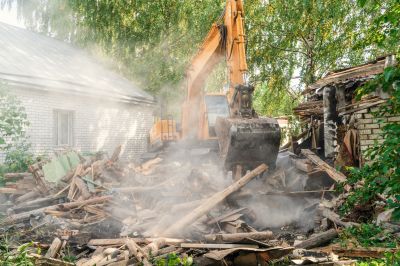 Demolition projects in Loveland, OH, require a variety of specialized tools and equipment to ensure efficient and safe operations. Whether tearing down a small structure or undertaking a large-scale demolition, having the right products is essential. From handheld tools to heavy machinery, the selection of appropriate equipment can significantly impact the project's success. Proper planning and choosing the right products help minimize hazards, improve productivity, and ensure compliance with safety standards.
Top Overall Option
Heavy-Duty Demolition Hammer
A versatile and powerful demolition hammer offers a combination of high impact energy and durability, making it suitable for a range of tasks from breaking concrete to removing stubborn materials. Its ergonomic design ensures ease of use during extended periods, and compatibility with various chisel attachments enhances its functionality. This tool is often favored for its ability to handle demanding projects efficiently while maintaining safety standards.
Types of Products For Demolition Service
Handheld Sledgehammers
Essential for manual demolition work, these tools deliver powerful impacts for breaking through walls and structures.
Pneumatic Jackhammers
Powered by compressed air, these tools are ideal for breaking concrete and asphalt efficiently.
Rotary Hammers
Versatile for drilling and chipping, suitable for demolition tasks involving masonry and concrete.
Demolition Bars
Long, sturdy prying tools used for levering and removing materials during demolition.
Pneumatic Breakers
Heavy-duty tools designed for large-scale demolition involving tough materials.
Mini Excavators
Compact machinery equipped with attachments like breakers and buckets for efficient site clearance.
Skid Steer Loaders
Versatile machines with attachments suitable for tearing down structures and clearing debris.
Concrete Cutters
Tools designed to make precise cuts in concrete and asphalt before removal.
Dust Suppression Systems
Equipment used to minimize dust during demolition, improving site safety.
Protective Gear Sets
Complete sets of safety equipment including helmets, gloves, and eye protection for worker safety.
Debris Containers
Heavy-duty bins and dumpsters for efficient debris collection and removal.
Hydraulic Breakers
Powerful attachments for excavators to break apart concrete and rock.
Wire Rope Slings
Lifting equipment used for moving heavy materials safely during demolition.
Laser Distance Meters
Tools for precise measurement of spaces and materials during planning and demolition.
Vibratory Plate Compactors
Used for compacting soil and debris after demolition work is completed.
Popular Choices
Widely used for their ease of use and portability in various demolition tasks.
Popular for outdoor and large-scale demolition projects due to their mobility and power.
Commonly selected for manual demolition and prying tasks.
Favored for their maneuverability in tight spaces and versatility on site.
Highly versatile tools often chosen for their adaptability in demolition tasks.
Popular for making precise cuts in concrete and masonry surfaces.
Increasingly used to manage dust during demolition activities.
A staple in demolition safety gear, widely used across various projects.
Essential for protecting hands during manual demolition work.
Popular for directing debris safely from higher levels to collection areas.
Commonly used for cutting through steel and rebars during demolition.
Often selected for site preparation and debris compaction.
Emerging as popular tools for precise and hazardous demolition tasks.
Used to stabilize structures during partial demolition.
Popular for reducing dust and controlling debris during demolition.
For smaller demolition tasks, hand tools such as sledgehammers, pry bars, and demolition bars are indispensable. They allow for precise work and are easily maneuvered in tight spaces. When dealing with larger structures, powered equipment like jackhammers, rotary hammers, and pneumatic breakers become necessary to handle tougher materials like concrete and steel. Heavy-duty machinery such as skid steers equipped with demolition attachments or mini excavators provide versatility and power for more extensive projects.
Safety is a paramount concern in demolition work. Protective gear including helmets, gloves, eye protection, and dust masks should always accompany the use of demolition tools. Additionally, selecting products that meet safety standards and are designed for durability can reduce the risk of accidents. Proper maintenance and training on equipment use further enhance safety outcomes. Whether working on residential, commercial, or industrial sites, understanding the range of available products helps contractors and DIY enthusiasts execute projects effectively and responsibly.
In Loveland, Ohio, where construction and renovation projects are ongoing, access to a broad selection of demolition products supports local professionals and homeowners alike. Investing in quality tools and machinery ensures that demolition tasks are completed efficiently, with minimized downtime and maximized safety. Keeping abreast of the latest product innovations and variations can aid in selecting the most suitable equipment for each unique project scenario.
Key Buying Considerations
- Project scale and scope determining the size and power of equipment needed.
- Type of materials to be demolished, such as concrete, steel, or wood.
- Frequency of use and durability requirements for long-term projects.
- Safety features incorporated into tools and machinery.
- Ease of operation and ergonomic design to reduce worker fatigue.
- Compatibility with various attachments and accessories.
- Availability of replacement parts and maintenance services.
- Weight and portability for ease of transportation and maneuvering.
- Power source options—electric, pneumatic, or gas-powered—based on site conditions.
- Budget constraints and overall cost of ownership.
- Compliance with safety standards and industry regulations.
- Environmental conditions of the site, including space limitations and access.
- Training and support offered by manufacturers or suppliers.
- Availability of safety gear and accessories to complement equipment.
- Reviews and recommendations from other users in similar projects.